Our Ancestors did not have a relationship with Snowdrop
We look to the Snowdrop for the sign of the gentle shift from Winter to Early Spring, from weeding and reflecting in winter to planting and setting goals for spring, the threshold that our Celtic ancestors called Imbolc. Following the Celtic wheel of the year and earths natural rhythmic cycles.
But our ancestors would have cast their eyes on a different flower to that of the Snowdrop—a flower native to our lands.
You see snowdrops were introduced to our Islands. It's unclear when, but it is thought they were grown in gardens around the 16th Century and escaped into the wild around the 18th Century - being first spotted in Gloucestershire and Worcestershire.
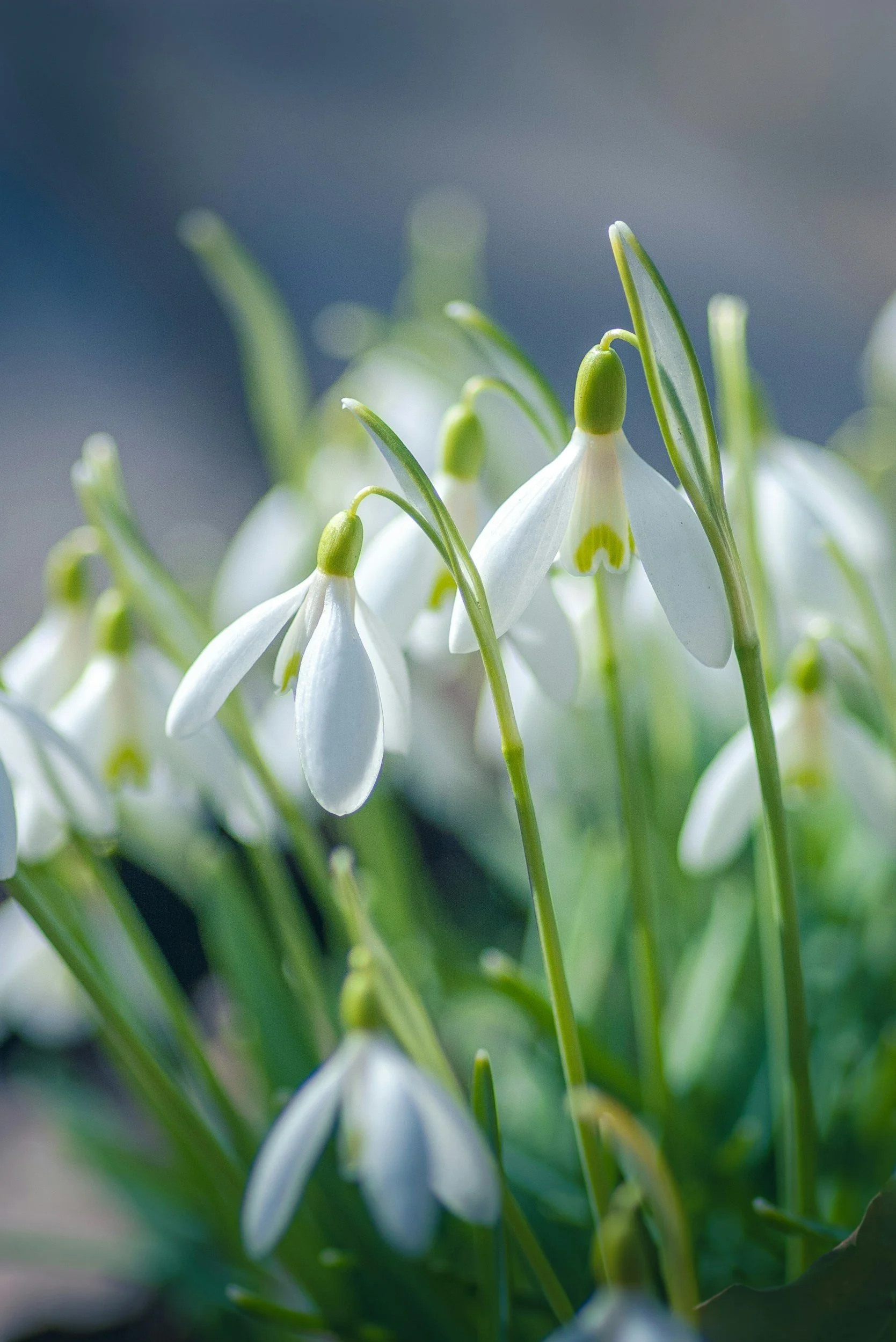
Found in damp soil within broadleaf woodlands and riverbanks from January to February. As they do not originate in these lands, they have not built relationships in the wider ecosystem, offering nothing to pollinators and choosing the blub division method to spread.
This is not to say Snowdrop do not weave themselves into the web the life. In Central Europe where they originate, Snowdrops have a relationship with ants. Their seeds are covered in a lipid rich protein coating which ants love to nibble on. My minds eye goes to chocolate covered almonds.... But back to the ants. Carrying their snack back to the colony, where the calorific coating is stripped and the seed discarded outside. Giving the seed a chance to become a fully fledge flower one day.
Relationships with beings takes time, hard graft and a constant willing's to show up - in modern times on the British Isles there is no doubt Snowdrops consistency to show up above to wintry soils has moved them into our collective hearts - but for our ancestors it would of been a different story. A different flower and one that brings an important message of what we have lost.
Our ancestors would have looked upon the Primrose and felt a sense of gratitude to this plant being, letting them know that the time to enter Imbolc threshold of spiring was upon them - the shift in the land and in themselves had arrived.
Primroses, Latin Scientific name (Prima Rosa), translates into 'First Rose'. By name and by nature, the Primrose is the first of our woodland flowers to emerge, providing a great nectar source for brimstone and small tortoiseshell butterflies. Also very tasty treat for us to nibble on their petals.
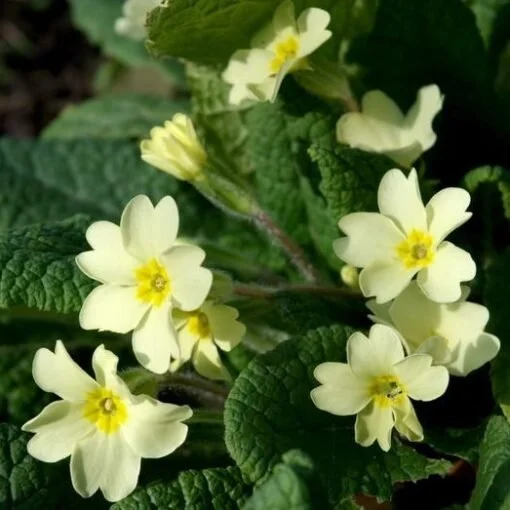
To identify this plant being: Growing no more than 10cm tall with 5 pale to deep yellow notched petals, nestled around a darker yellow-orange centre. Their leaves are slightly wrinkly looking with hairy undersides forming a rosette-shaped base.
A wild Primrose indicates that you are standing on sacred land, the soil of an ancient woodland. This space was held as a sanctuary by our ancestors, a place they knew they were part of, a place that held wisdom for them, a place where community and connection could be felt. It is the birthplace of our culture, myths, legends, and folk tales.
The Primrose thrives in a community of spongy ancient woodland soil, soil that hasn't been compacted down and turned up by modern man's relentless pursuit of progress. A biodiverse web of life with fungi, plant, and animal kingdoms who call this soil space their home, having time, space, and energy to breathe and create for collective thriving, not individual survival.
Sadly, these magical places on our islands are few and far between—only 2% of our ancient woodlands are left—so take a breath and a moment to connect with this special flower and the sanctuary it also calls home.
Love and Go Genlty,
Joseph